Svadhisthana: Sacral Chakra
“All of life is an interplay of movement and change. To be in the flow of existence is to embrace the natural rhythms of emotion, creativity, and relationship.”
Gurudev Singh Ramos

Location
Just below the navel (lower abdomen)

Color
Orange

Element
Water

Organ
Reproductive organs, kidneys, bladder, and lower back

Bij Mantra
Vam. It is pronounced “vahm”
The Second Chakra, or Svadhisthana Chakra, meaning one’s place or dwelling in the self, is located in the lower abdomen below the navel. It is associated with the hips, pelvis, reproductive organs, and the water element, symbolizing fluidity, adaptability, and the emotional tides of life. Svadhisthana governs our ability to feel pleasure, express emotions, and create, whether through artistic endeavors, relationships, or life itself.
While the First Chakra provides stability and grounding, the Second Chakra introduces movement and transformation. It is the center of desire, attraction, and creative impulse, offering the life force energy needed to thrive. This chakra is intimately linked to sexuality, the drive to form conscious relationships, and the capacity to navigate the complexities of human emotions with awareness and authenticity.
An imbalanced Second Chakra, or Svadhisthana, can manifest in two main ways: overactivity or underactivity. When dominant, it may lead to emotional overwhelm, dependency in relationships, addictive behaviors, or an excessive focus on pleasure and sensual gratification. In contrast, a suppressed second chakra can result in emotional numbness, low libido, fear of intimacy, creative blocks, or shame around desires. In both cases, the flow of energy is out of harmony—either too intense or too restricted.
Svadhisthana invites us to explore pleasure, sensuality, and the depths of our emotions without repression or over-indulgence. It teaches that desire is neither inherently good nor bad—it is a guiding force that, when understood and balanced, leads to growth and fulfillment.
Dimensions of the Svadhisthana Chakra:

Meaning
The essence of Svadhisthana lies in its ability to embrace the full range of human emotions and experiences while remaining present and aware. It connects us to our inner world and natural creative expression, fostering a sense of ease and joy in engaging with life as well as in giving and receiving pleasure. When this chakra is balanced, we can be carried blissfully along by the flow of life, adapting to change and embracing experiences with openness.

Agency
This chakra governs the drive for creative and sexual expression, emotional authenticity, and the vital life force necessary to thrive. It fuels our ability to initiate, create, and sustain momentum in all aspects of life, moving us beyond mere survival into passion, exploration, and inspired action. The Second Chakra encourages us to embrace our desires as a source of transformation, allowing us to engage with the world authentically and dynamically. A balanced Svadhisthana fosters emotional intelligence, adaptability, and resilience, enabling us to process our emotions with awareness rather than repression or impulsivity. It also supports healthy boundaries, ensuring our relationships are built on mutual respect rather than dependency or control.
The Second Chakra shapes our capacity to experience pleasure, express our needs, and confidently step into our creative potential. It drives us through desire that gives us the energy to take risks, take advantage of opportunities, and face life’s changes. Our challenge is to embrace the passion that flows from the Second Chakra to express in our own unique ways.

Identity
Deeply connected to self-worth, the Second Chakra allows us to begin to define our individual identity beyond the basic need for survival. It is where we learn to extend beyond ourselves, navigate relationships, express our desires, and recognize the power and sacredness of our own emotions. This chakra asks: What do I truly desire? What brings me pleasure? How do I express my emotions authentically? How do I fully express my uniqueness in the world?

Community
One of the primary challenges of Svadhisthana is learning to relate to others consciously. The Second Chakra governs the interplay of attraction and connection, guiding us to form relationships that foster personal growth and release those that hinder it. It teaches us the truth of mutual respect. When this chakra is balanced, relationships are held with clarity, honesty, full intimacy, and emotional maturity.
Balancing And Healing Svadhisthana:
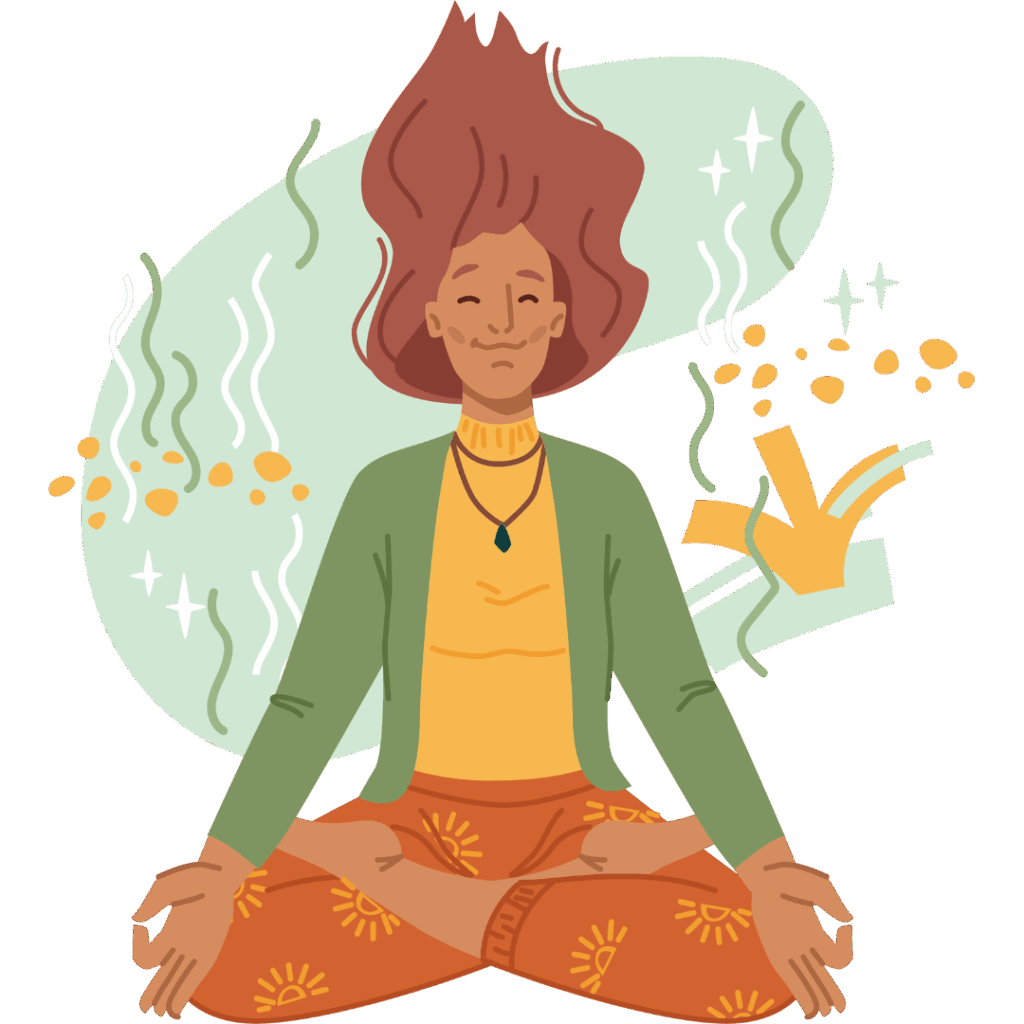
The second chakra, Svadhisthana, is deeply connected to the flow of emotions, sensuality, and creativity, and its balance depends on our ability to navigate the polarities within these realms. At its core, this chakra holds the tension between pleasure and guilt, connection and autonomy, desire and denial. Proper balance comes not from choosing one side over the other, but from allowing both to be seen and honored. For example, the desire for intimacy must be held alongside the need for personal boundaries; the enjoyment of sensual pleasure must be acknowledged without guilt or shame. When we bring these opposing forces into conscious awareness without judgment, we experience a deeper integration, where creativity flows freely, emotions are honored, and relationships are grounded in authenticity and mutual respect.
Cultural attitudes toward sexuality and emotions, particularly in puritanical societies, can contribute to deep-seated shame surrounding the body and its sensual nature. Healing Svadhisthana involves reclaiming our right to feel, express, and experience pleasure without guilt or fear. It requires an honest exploration of past wounds, emotional conditioning, and how we were taught to relate to intimacy and desire. However, healing Svadhisthana also involves recognizing that we should not harm others by pursuing our desires, pleasures, and emotional needs. Balance is restored when we acknowledge past mistakes, make amends where necessary, and commit to relationships that honor the well-being of all involved. This awareness fosters respect, integrity, and conscious engagement with our emotions and desires.
Recommended Practices for Svadhisthana:

Life Practices
- Creativity is the language of the second chakra. Engage in creative activities that allow you to express yourself without judgment, such as painting, journaling, singing, or cooking. The goal isn’t to produce something perfect, but to allow your inner world to move and flow. This nurtures the chakra’s energy and helps reconnect you with your sense of artistry and spontaneity.
- Connecting with water can help restore balance, as the element of water governs Svadhisthana. Take mindful baths or showers while visualizing emotional blockages washing away. Spending time near oceans, rivers, or lakes can also have a calming, rebalancing effect. Even sipping water with gratitude can be a small act of chakra healing.
- Engage in Sensual Awareness. This chakra invites you to fully inhabit your senses. Practice mindful touch, whether through self-massage, textured fabrics, or simply being present with physical sensations. Explore the world around you through taste, scent, and sound, allowing yourself to enjoy pleasure without guilt. Sensuality doesn’t have to be sexual, though it can be. It’s about tuning into the richness of experience.
- Journaling can help uncover and process buried emotions or desires. Take time to journal about your feelings, needs, or any guilt or shame you may hold around pleasure and intimacy. Prompts like “What emotions am I avoiding?” or “Where am I holding back in expressing my desires?” can open up insights and invite healing.

Affirmations for the Second Chakra:
- I honor my emotions and allow them to inspire, guide, and teach me.
- I embrace my sensuality without shame.
- I trust the wisdom of my body.
- I am open to intimacy and emotional connection.
- I form relationships that support my growth.

Questions for Reflection:
- Do I allow myself to experience joy and pleasure without guilt?
- How do I express my emotions—freely or with restraint?
- In what ways do I allow creativity to flow in my life?
- Do I give and receive in equal amounts?
- Are my relationships conscious and supportive, or do they drain me?
- What cultural beliefs about sexuality and emotions have shaped my perceptions?

Kundalini Yoga Practices
General Kundalini Yoga Practices:
- Yoga Asanas: Hip openers like Pigeon Pose, Bound Angle Pose, and Goddess Pose can help release blockages and stored emotions from this area.
- Dance and Fluid Movement: Rhythmic, unforced movement can help cultivate emotional expression and deepen sensual embodiment. Since Svadhisthana is connected to the hips, pelvis, and reproductive organs, movement-based practices that encourage flow and openness are essential.
- Breathwork (Pranayama): Many pranayamas, such as deep belly breathing, promote emotional regulation and relaxation.
Kundalini Yoga Kriya and Meditations:
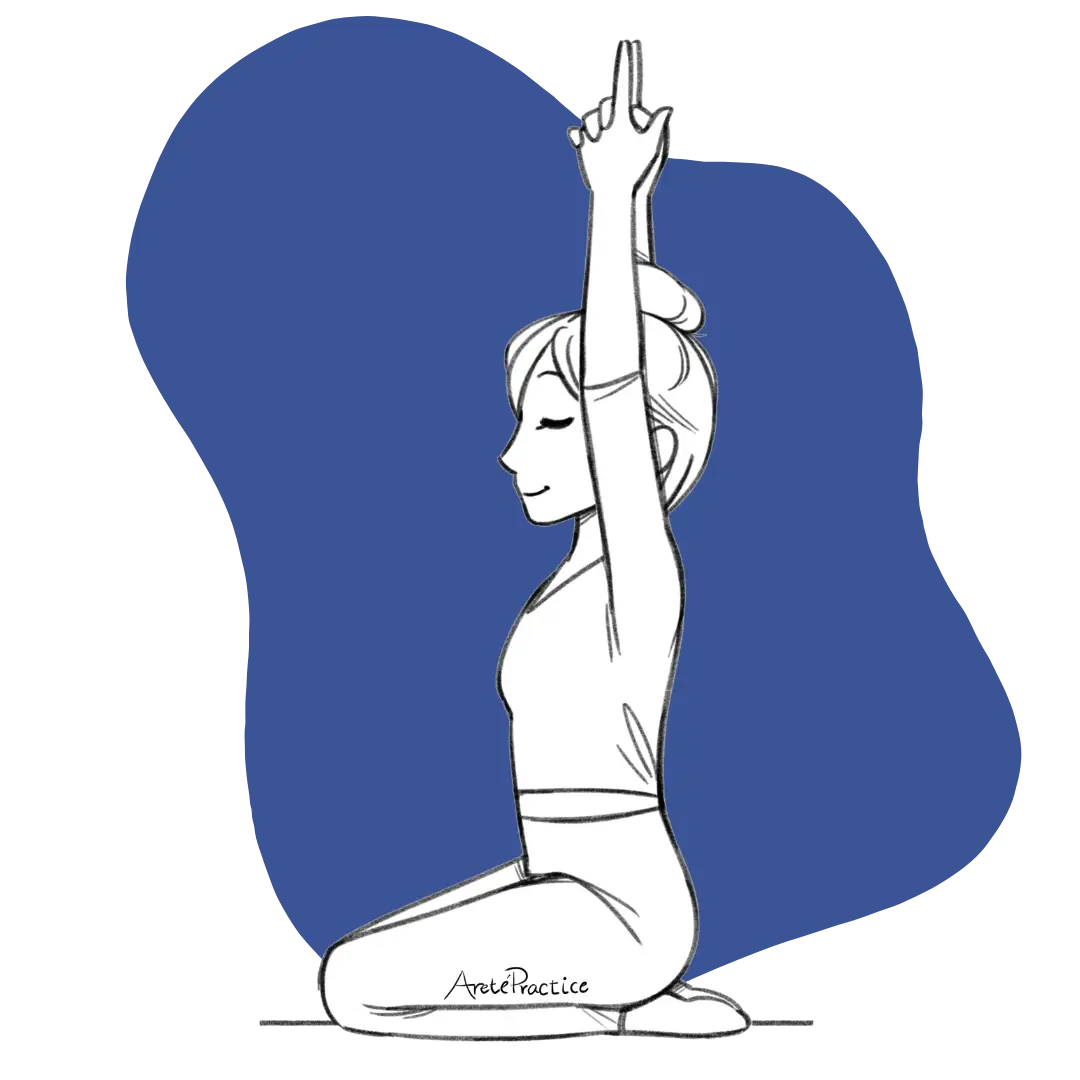
Sat Kriya
This is an excellent Kundalini practice for stimulating and balancing the Root Chakra. It enhances the energy flow through the First Chakra and supports elimination.
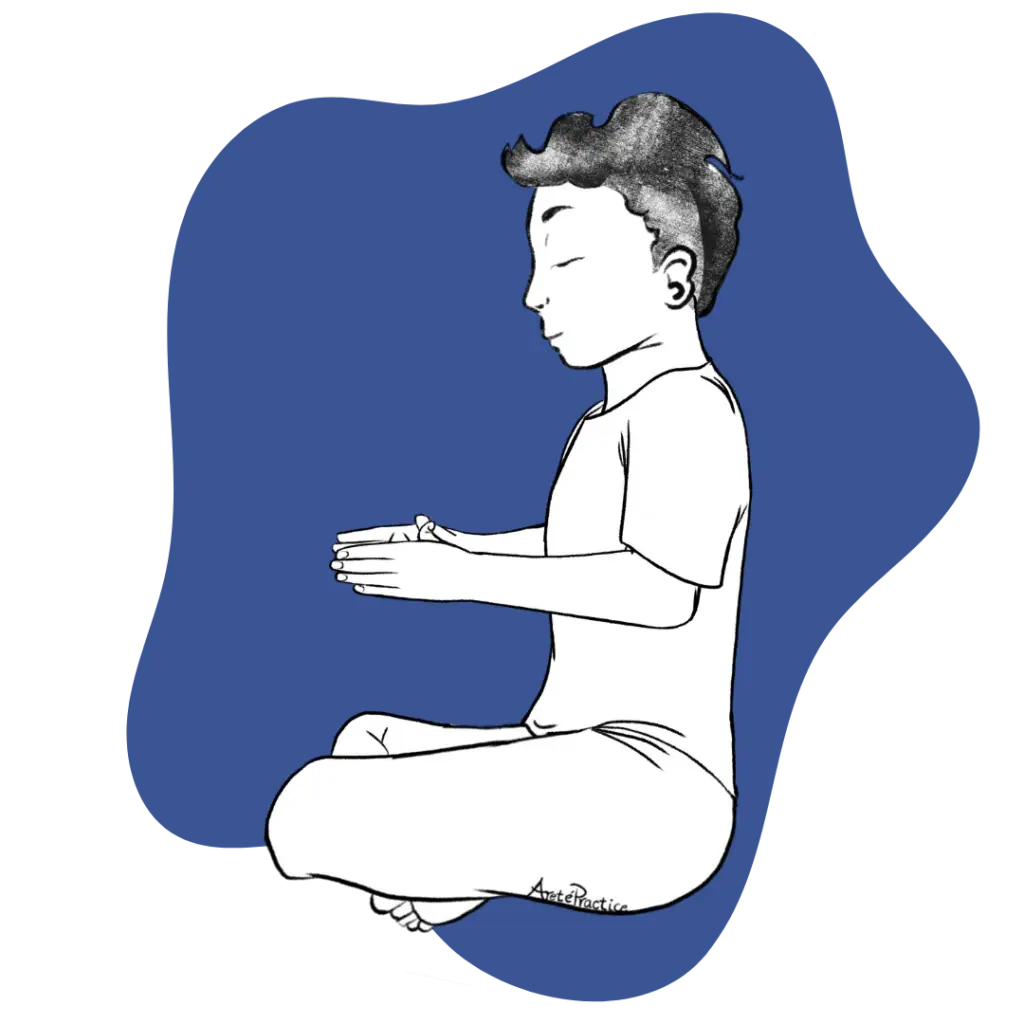
Meditation for the Second Chakra
This meditation is believed to open and balance your Sacral Chakra (Svadhisthana Chakra), promoting feelings of connectedness, healthy sexual expression, and being in creative flow.
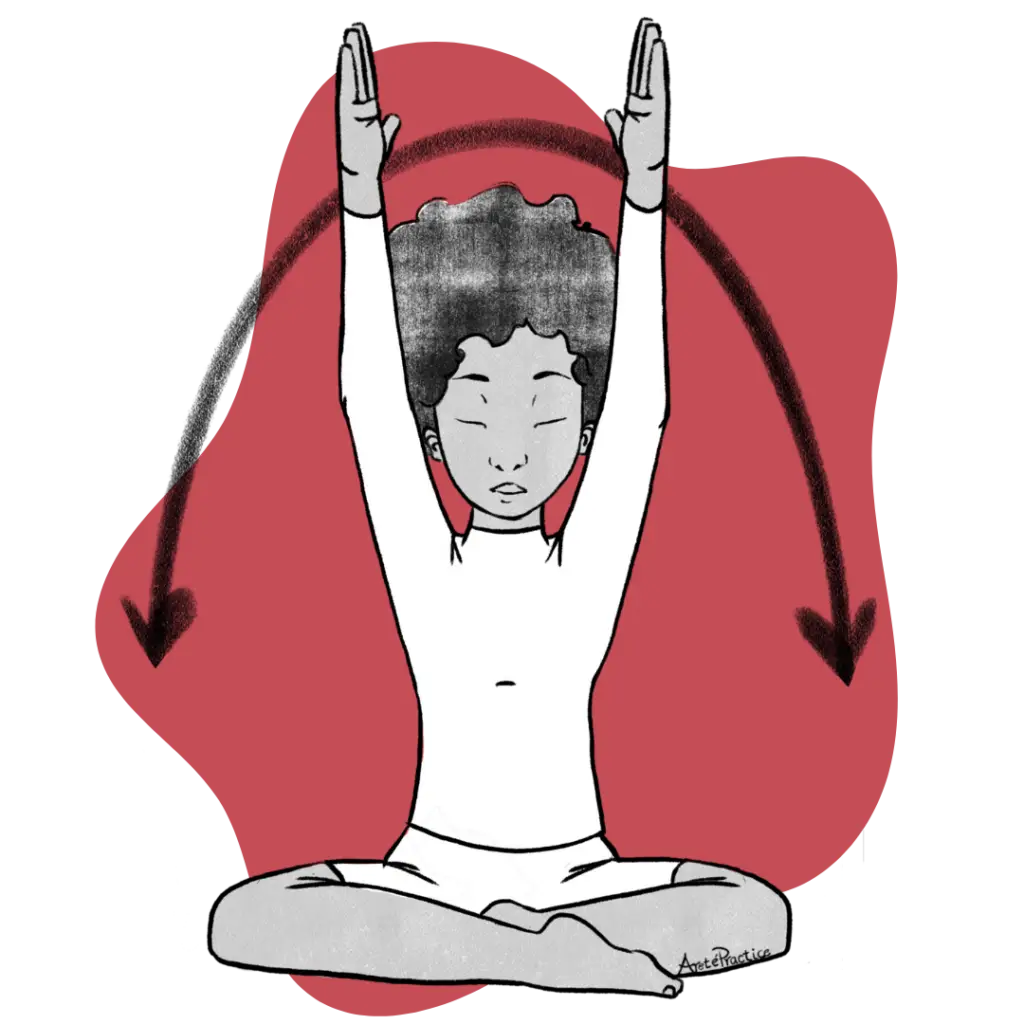
Base of Your Creative Capacity for Life
This sequence is designed to awaken your creative potential and enhance your overall well-being. Through a combination of dynamic postures, breathwork, and mudras, you’ll stimulate your energy flow, strengthen your core, and cultivate youthful vitality.
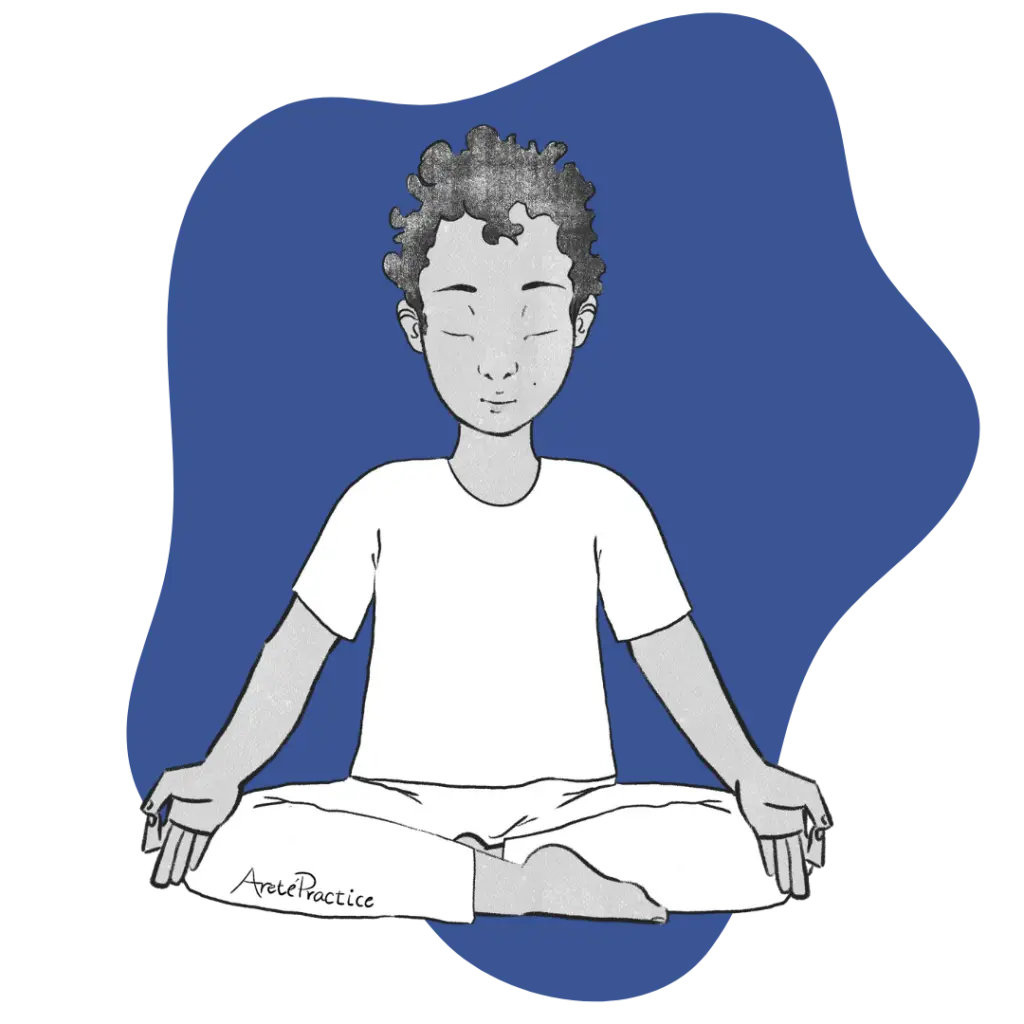
Meditation to Be Boldly Yourself
This meditation builds self-esteem, instills confidence, and fosters courage. By affirming your inner qualities and embracing fearlessness, you build on your sense of worth and inner power.
Base of Your Creative Capacity for Life
This vigorous set strengthens the lower chakras and awakens the body’s creative potential.